Invoice Queries
Missing Purchase Orders: How to Resolve Blocked Invoices
A missing purchase order is one of the simplest invoice blockers to describe and one of the easiest to let drift.

Invoice Queries
Missing Purchase Orders: How to Resolve Blocked Invoices
Many customers require a purchase order before an invoice can be approved for payment. If the PO is missing, incorrect, or not aligned with the project, the invoice can sit unpaid even when the service was delivered and the customer relationship is healthy.
For finance, the challenge is rarely understanding what a PO is. The challenge is finding the right PO quickly, proving the invoice belongs to it, and communicating clearly without turning one missing reference into a week-long internal thread.
Why customers require PO numbers
A PO helps the customer connect the invoice to an approved purchase. Their accounts payable team may need it to match budget, procurement approval, contract scope, or department ownership. Without that match, the invoice can fail validation before anyone discusses payment timing.
Common process mistakes
- Finance sends a payment reminder even though the customer already explained the blocker.
- The request for a PO is forwarded internally without invoice context.
- Several project owners are asked the same question in different threads.
- The correct PO is found, but the customer reply is not reviewed or tracked.
- The team closes the loop with the customer but does not update the case history.
How finance can find the right information
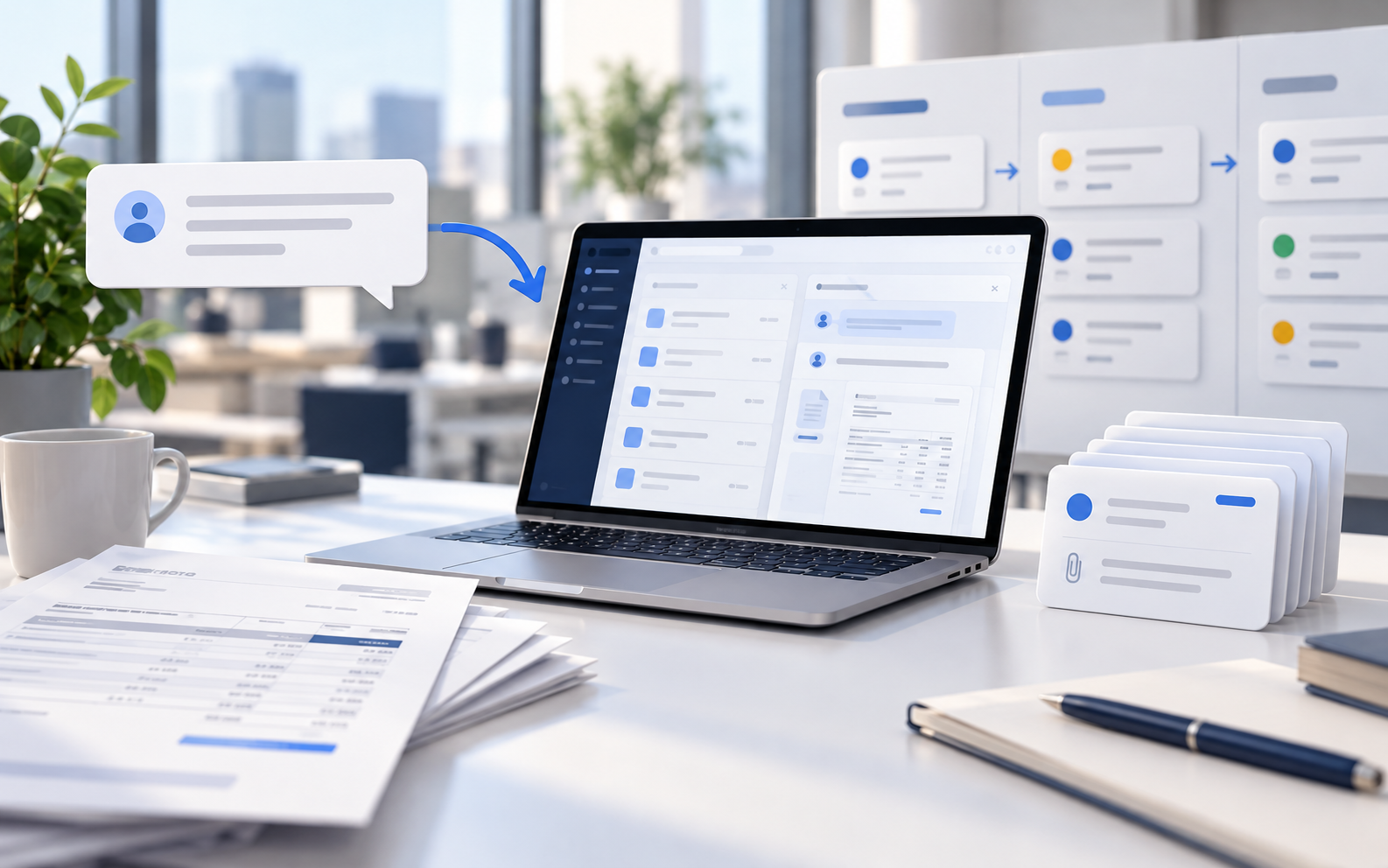
Start by turning the customer message into a clear case. Capture the invoice number, customer account, project name, contract or statement of work reference, amount, and the exact wording of the customer question. Then identify which internal role is most likely to hold the PO context.
For project-based IT services, the answer often sits with a delivery lead, project manager, account manager, or operations coordinator. The internal request should be specific: ask for the PO number, related approval evidence, and any constraints that finance should mention in the customer reply.
How to avoid escalation
Escalation is sometimes necessary, but many PO issues escalate because ownership is unclear. A structured request reduces friction. It tells the internal owner what is missing, why the invoice is blocked, when finance needs the answer, and what will happen once the information is provided.
Missing PO checklist
- Confirm the customer is asking for a PO rather than disputing the invoice.
- Check whether a PO exists in the contract, order, project record, or prior correspondence.
- Identify the project or account owner who can validate the right reference.
- Request the PO number and any approval evidence in one message.
- Prepare the customer response for finance review.
- Record the outcome so the same query does not restart later.
Fictional example
A customer rejects INV-1048 because the invoice does not include the PO required by their procurement team. Finance checks the account record but only finds the project name. The project manager confirms that the work belongs to PO-7782 and attaches the customer approval email. Finance reviews the evidence and replies with the PO reference and a short explanation.
Where Invoqui fits
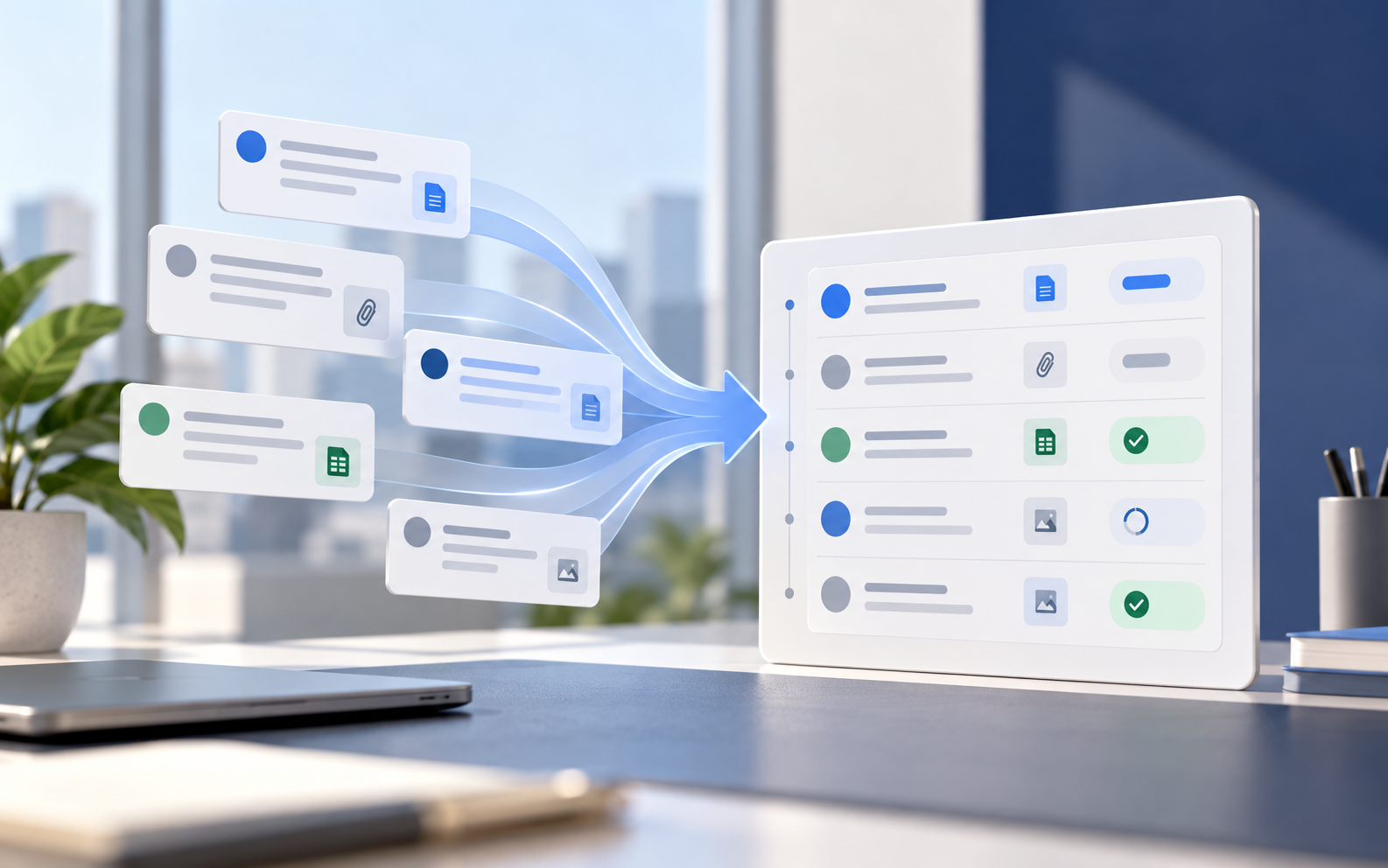
Invoqui helps structure this work: identify the missing PO as the blocker, prepare the internal request, keep the case visible while evidence is missing, and draft a customer response for review.
Resolve your next invoice query with more structure.
See how Invoqui helps finance teams identify missing evidence and prepare reviewable customer replies.